Every Watch
Is a Story.
Learn to Read It.
Taught by Eleanor Voss, former horological specialist at Sotheby's Geneva.
12 structured chapters from first principles to auction-floor confidence.
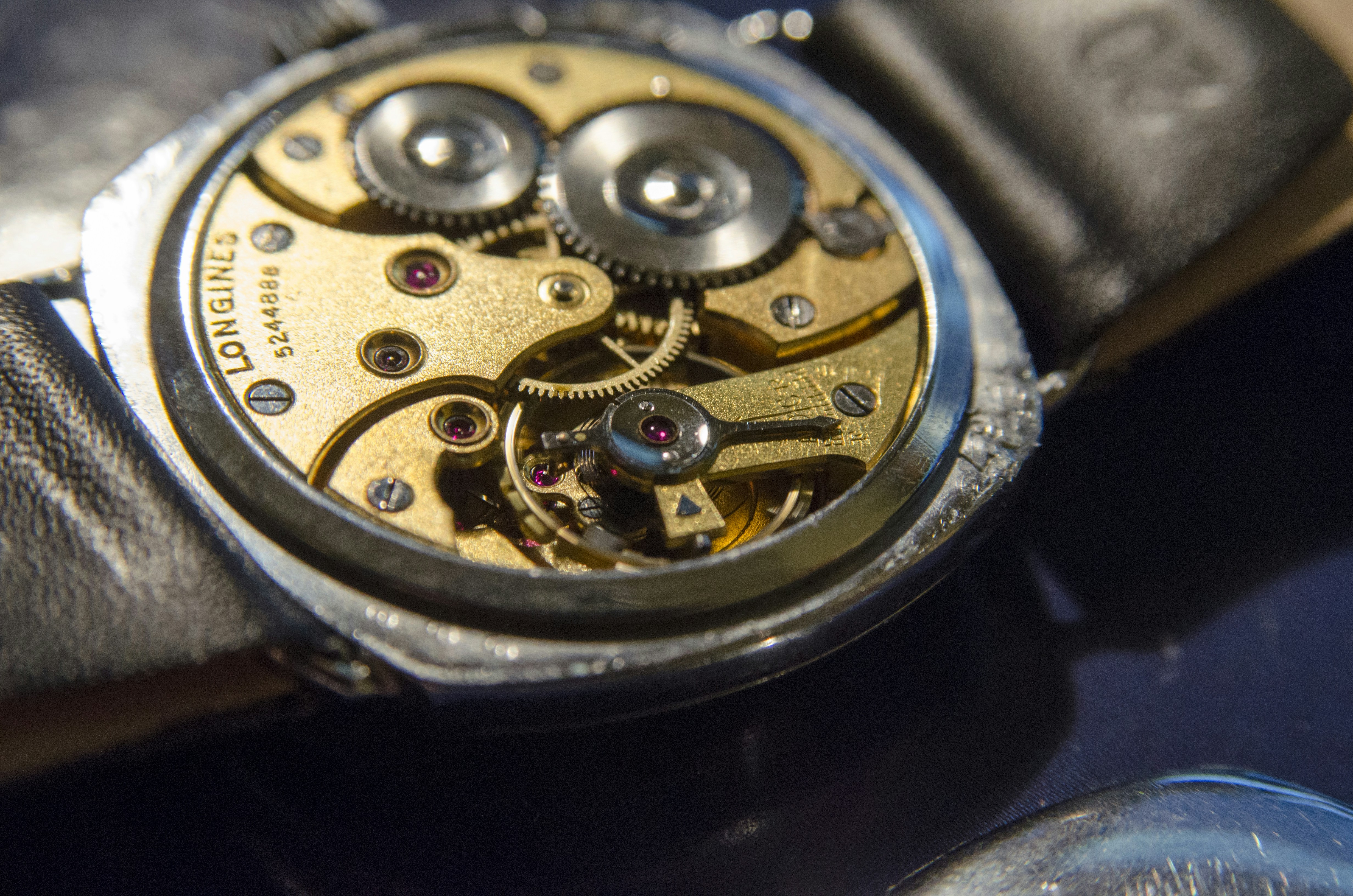
We have been measuring time for four thousand years. Sundials in Egyptian courtyards. Water clocks in Han dynasty palaces. Pocket watches carried into the trenches of the Somme. And yet, despite this long argument with the hours, most people who strap a mechanical watch to their wrist have no idea what is happening beneath the dial.
That ignorance is not a failing. It is an invitation.
Inside every automatic movement — whether a £180 Seiko 5 bought on impulse or a £180,000 Patek Philippe pursued through three auction cycles — there is a system of extraordinary ingenuity. Gears that mesh to tolerances measured in microns. Springs wound to precise tensions. Jewels that reduce friction so perfectly that a well-maintained movement loses less than four seconds a day across a decade.
Calibre exists to close the distance between the watch on your wrist and the knowledge that makes it yours.
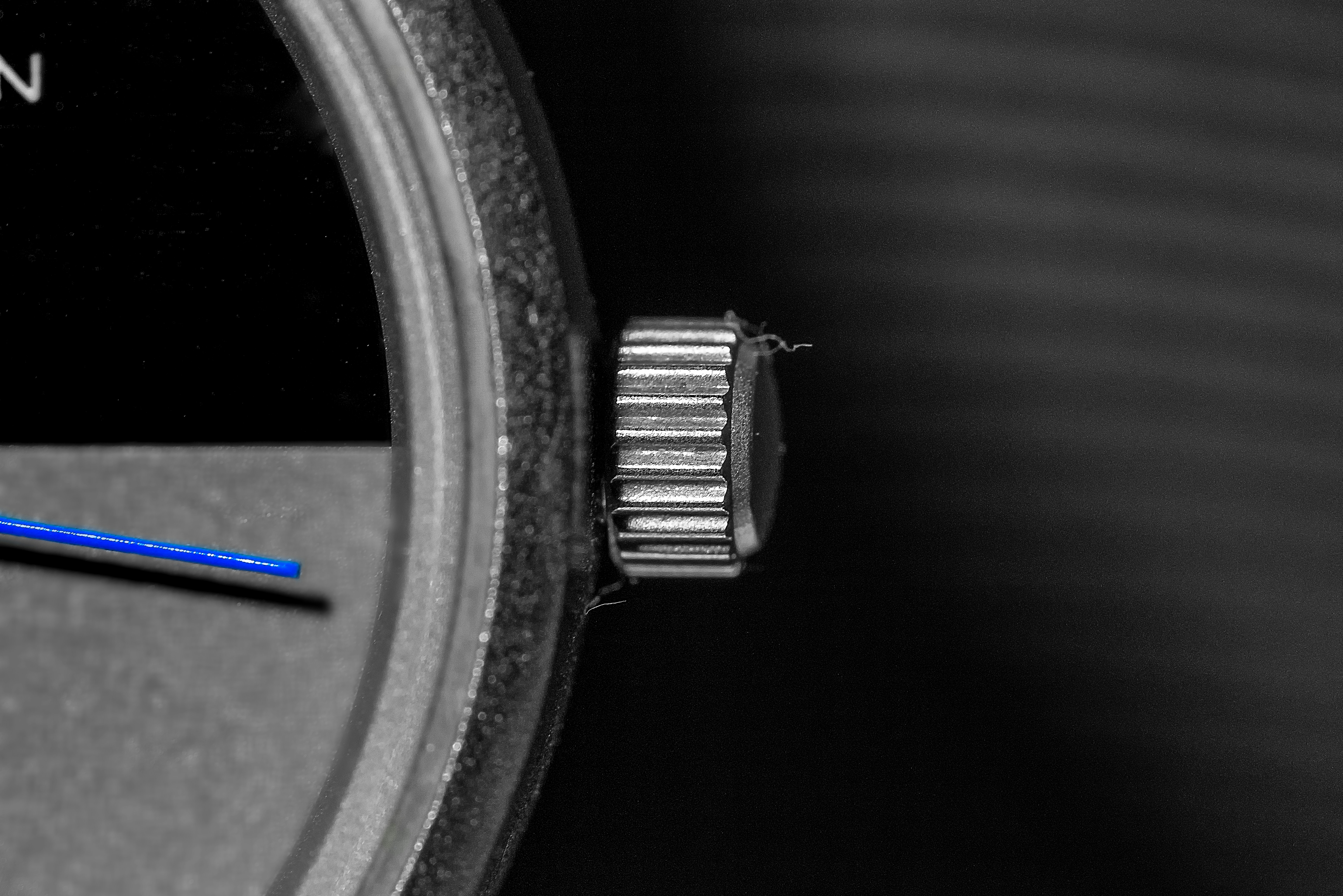
The crown — twelve o'clock position, three clicks to set the date.
"A watch is not jewelry. It is a philosophical argument about the nature of time, compressed into 38 millimetres."
— Chapter One — The Measure of Things
The History
of Complications
A complication is any function beyond the simple display of hours and minutes. The chronograph. The perpetual calendar. The minute repeater that chimes the time on demand. Each one represents a century of engineering refinement — and each one adds a specific increment to the auction estimate.
Tourbillon
Invented in 1801 by Abraham-Louis Breguet to counteract gravitational errors in pocket watches.
Perpetual Calendar
Remembers the length of every month, including February in leap years, without manual correction.
Minute Repeater
Strikes the hours, quarter-hours, and minutes on demand — the most complex purely acoustic complication.
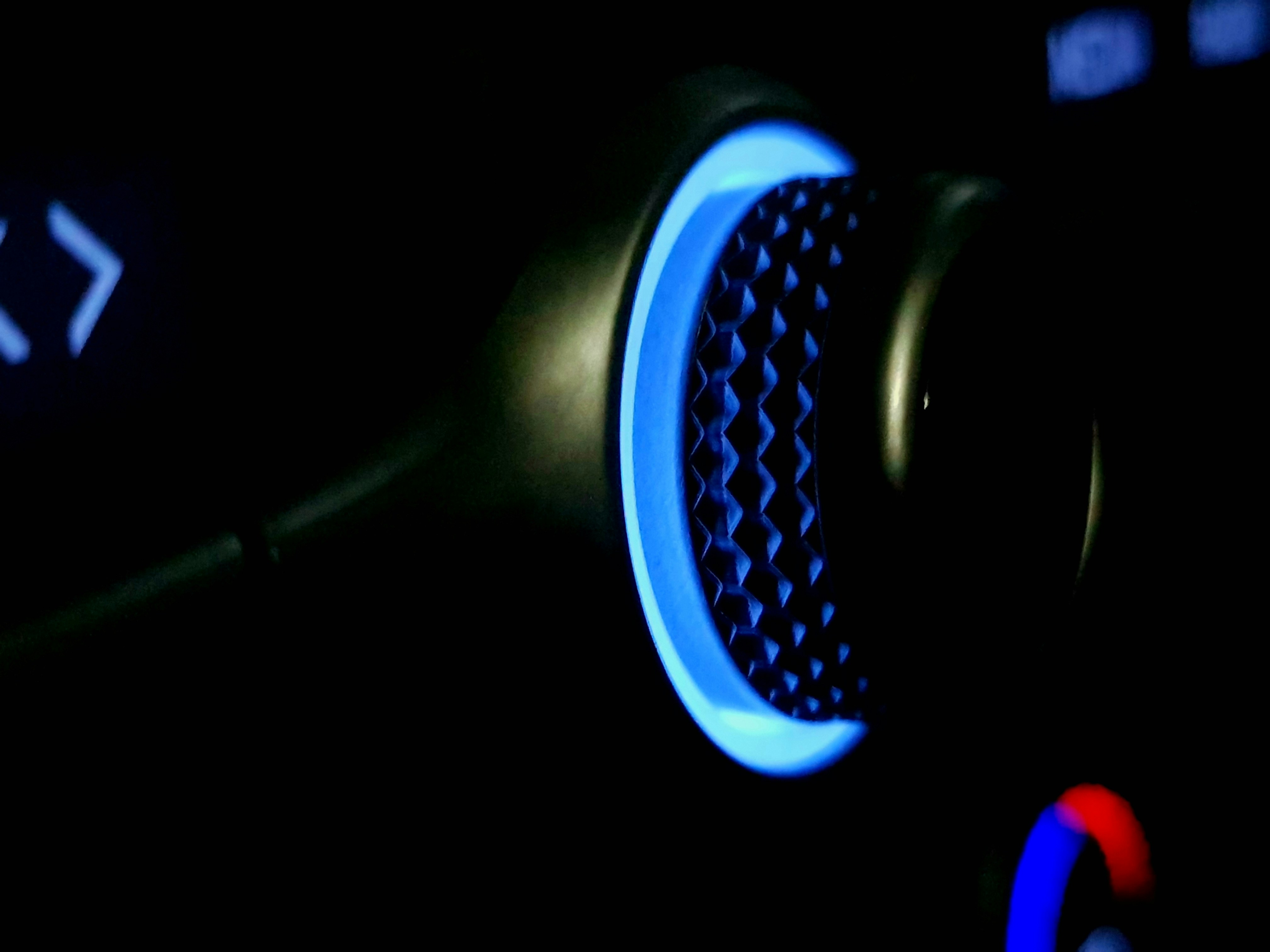
Dial under raking light — where every imperfection tells a decade.
"The difference between a collector and a buyer is the ability to read the movement before reading the price tag."
— Chapter Five — Anatomy of Value
Twelve Chapters.
One Complete Education.
Each chapter builds on the last — from first principles to the specific knowledge that separates collectors from speculators.
The Measure of Things
Why mechanical timekeeping matters in a quartz world
Anatomy of a Movement
Every component named, located, and explained
Reading Reference Numbers
Decoding manufacturer codes from Rolex to IWC
The History of Complications
Tourbillons, perpetual calendars, and minute repeaters
Anatomy of Value
What makes one reference worth ten times another
Condition Grading
The loupe test: how to assess a case, dial, and movement
The Economics of Rarity
Production numbers, variants, and the scarcity premium
Provenance & Documentation
Box, papers, service history — and why they compound value
Identifying Fakes & Franken-watches
The six signs a specialist checks in the first 60 seconds
The Auction Ecosystem
Phillips, Sotheby's, Christie's — how the rooms actually work
Building a Collection Strategy
Thematic collecting, budget allocation, and exit planning
Your First Auction Bid
Registration, paddle etiquette, and bidding with confidence
All 12 chapters included. Self-paced. Lifetime access.
Start with the Free Field Guide
Former Specialist
Sotheby's Geneva
Eleanor Voss
Horological Specialist & Collector
For fourteen years, Eleanor catalogued horological lots at Sotheby's Geneva — handling everything from a Patek Philippe 2499 in original condition to an unsigned pocket watch that turned out to be a previously unknown Breguet commission. She learned to read watches the way a forensic scientist reads a crime scene: systematically, without assumptions, with deep respect for what the evidence actually says.
Calibre is her attempt to compress that knowledge into a form that doesn't require a decade in a Geneva auction room. It is structured, specific, and unsparing about the details that actually matter at the moment of decision.
"I was tired of watching collectors pay for ignorance. Not because they couldn't afford it — but because the knowledge was never available in this form."
The Collector's First
Reference Guide
A 30-page field guide to identifying movements, decoding reference numbers, and grading condition — before you spend a single pound at auction.
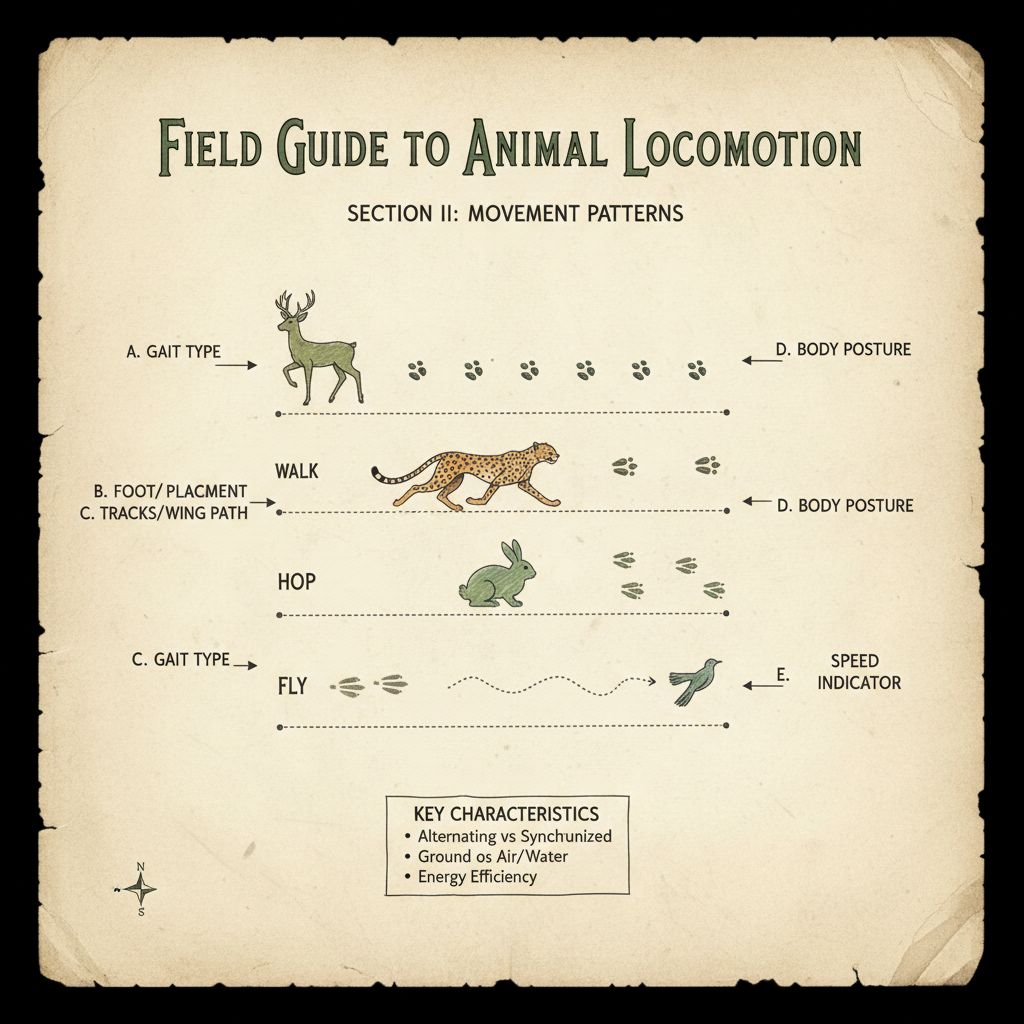
Movement Identification Chart
p. 04–07
Movement family identification at a glance
Reference number decoder for 8 major manufacturers
Condition grading rubric with loupe checklist
Glossary of 60 essential horological terms
Recommended references and auction archives
Three Collectors.
One Curriculum.
"I bought a Rolex Submariner on impulse and spent two years not really understanding what I owned. Chapter Three alone — on reading reference numbers — changed how I look at every watch in my collection."

Marcus Okafor
Software Engineer, London
"I've been collecting for twelve years and still found things I didn't know. The chapter on condition grading is the most precise thing I've read outside of a Christie's catalogue note."

Priya Mehta
Art Advisor, New York
"I restore vintage Seikos on weekends and thought I knew movements. Calibre showed me I knew parts — not the language. Now I can actually explain what I'm doing to someone who asks."

Daniel Brouwer
Architect, Amsterdam
"The first lesson has already begun."
Join 2,400 collectors who have downloaded the free field guide.
Download the Free Field Guide